

Best Coffee From Central America: A Tasting Guide
Last Updated: November 17, 2026
Quick Summary
The best coffee from Central America depends on the flavor you want: Costa Rica for a bright, sweet cup, Guatemala for chocolate depth, and Honduras or Nicaragua for caramel and cocoa. Every origin here is roasted to order and sells for $24.99 per 12-ounce bag.
- Costa Rica single origin from Alajuela tastes of sweet apple, raisin, and honey.
- Guatemala is fully washed and grown between 1,200 and 1,616 meters.
- Nicaragua beans are fermented 12 to 14 hours and dried on patios and raised beds.
- Use medium-dark roasts like Honduras with a coarse grind for French press.
- Single origins and blends are both $24.99 per 12-ounce bag.
Table of Contents
- Why Central America Coffee Stands Out
- Central American Coffee Flavor Notes by Country
- Costa Rica: Sweet Apple and Honey From Alajuela
- Best Guatemalan Coffee: Dark Chocolate and Bright Fruit
- Honduras and Nicaragua: Caramel, Cocoa, and Spice
- Single Origin Coffee vs Blends: What to Expect
- How to Choose Coffee Beans for Your Brew Method
- Shop Evolve Coffee Company's Central American Roasts
- Frequently Asked Questions
Why Central America Coffee Stands Out
Central America packs seven small countries into a narrow strip of volcanic mountain range, and that geography produces some of the best coffee from Central America on the planet. High altitude slows cherry ripening, which concentrates sugars and flavor.
At Evolve Coffee Company, we roast every batch to order, so the aromatics reach your kitchen intact rather than fading in a warehouse. Below, we break down flavor notes by country, compare single origins against blends, and match each roast to the right brew method.
Central American Coffee Flavor Notes by Country
Central American coffee flavor notes split along a recognizable spectrum: Costa Rica leans bright and sweet, Guatemala deeper and chocolatey, Honduras and Nicaragua toward caramel and cocoa. Altitude, variety, and processing do the rest. The table below adds the variables most guides leave out, growing altitude, dominant varieties, processing method, body, acidity, and a current whole-bean price range, so you can compare origins side by side instead of reading five separate descriptions.
| Country | Dominant Varieties | Processing | Body | Acidity | Tasting Notes | Typical Price (12 oz whole bean) |
|---|---|---|---|---|---|---|
| Costa Rica | Caturra, Catuai | Washed, honey, eco-pulp | Medium | Bright, lively | Sweet apple, raisin, honey | $18-$26 |
| Guatemala | Bourbon, Catuai, Caturra, Typica | Fully washed | Medium-full | Bright, structured | Dark chocolate, bright fruit, butterscotch | $18-$26 |
| Honduras | Bourbon, Caturra, Pacas | Washed | Medium-full | Moderate | Caramel, spice, brown sugar | $16-$24 |
| Nicaragua | Bourbon, Caturra, Pacas | Washed, 12-14 hour ferment | Medium | Moderate, citrus lift | Cocoa, floral, citrus | $16-$24 |
| El Salvador | Bourbon, Pacas, Pacamara | Washed, natural | Medium | Soft, rounded | Toffee, red apple, mild citrus | $17-$25 |
| Panama | Geisha, Caturra, Typica | Washed, natural | Light-medium | High, tea-like | Jasmine, bergamot, stone fruit | $30-$60+ |
Two mechanisms explain most of the differences. First, altitude: above roughly 1,300 meters, cooler nights slow cherry maturation, which concentrates sugars and organic acids and produces the denser bean that roasters associate with clarity and sweetness. Second, processing: washed coffees dominate the region because the method removes fruit mucilage before drying, yielding the clean, balanced cup most buyers expect, while honey and natural lots retain more fruit character at the cost of consistency. Variety matters too, Bourbon and Caturra set the sweet, balanced baseline, Pacas and Pache add body, and Geisha in Panama delivers the floral, tea-like profile that commands the highest prices in the region.
A practical comparison: if you want the brightest cup, choose Costa Rica; if you want chocolate depth that holds up in a French press, choose Guatemala or Honduras; and if you want a softer, rounder everyday cup, choose Nicaragua.
Costa Rica: Sweet Apple and Honey From Alajuela
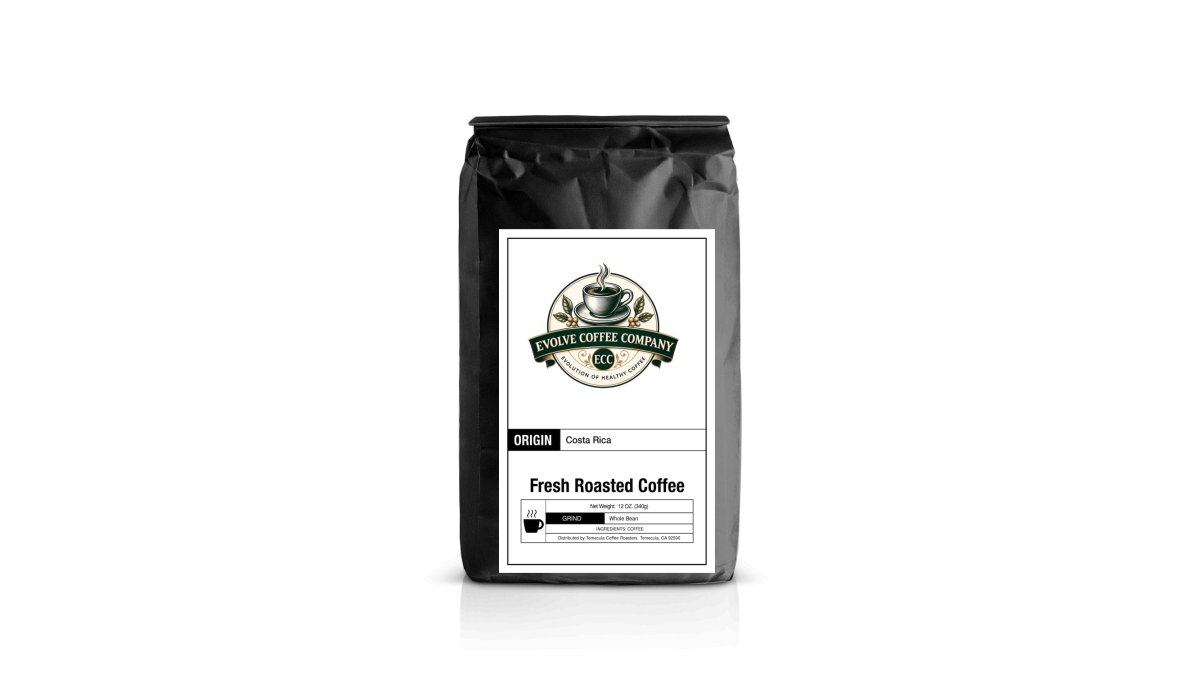
Our Costa Rica single origin comes from micro farms in Alajuela, grown between 1,300 and 1,445 meters on volcanic loam. The Caturra and Catuai varieties are eco-pulped and sun-dried.
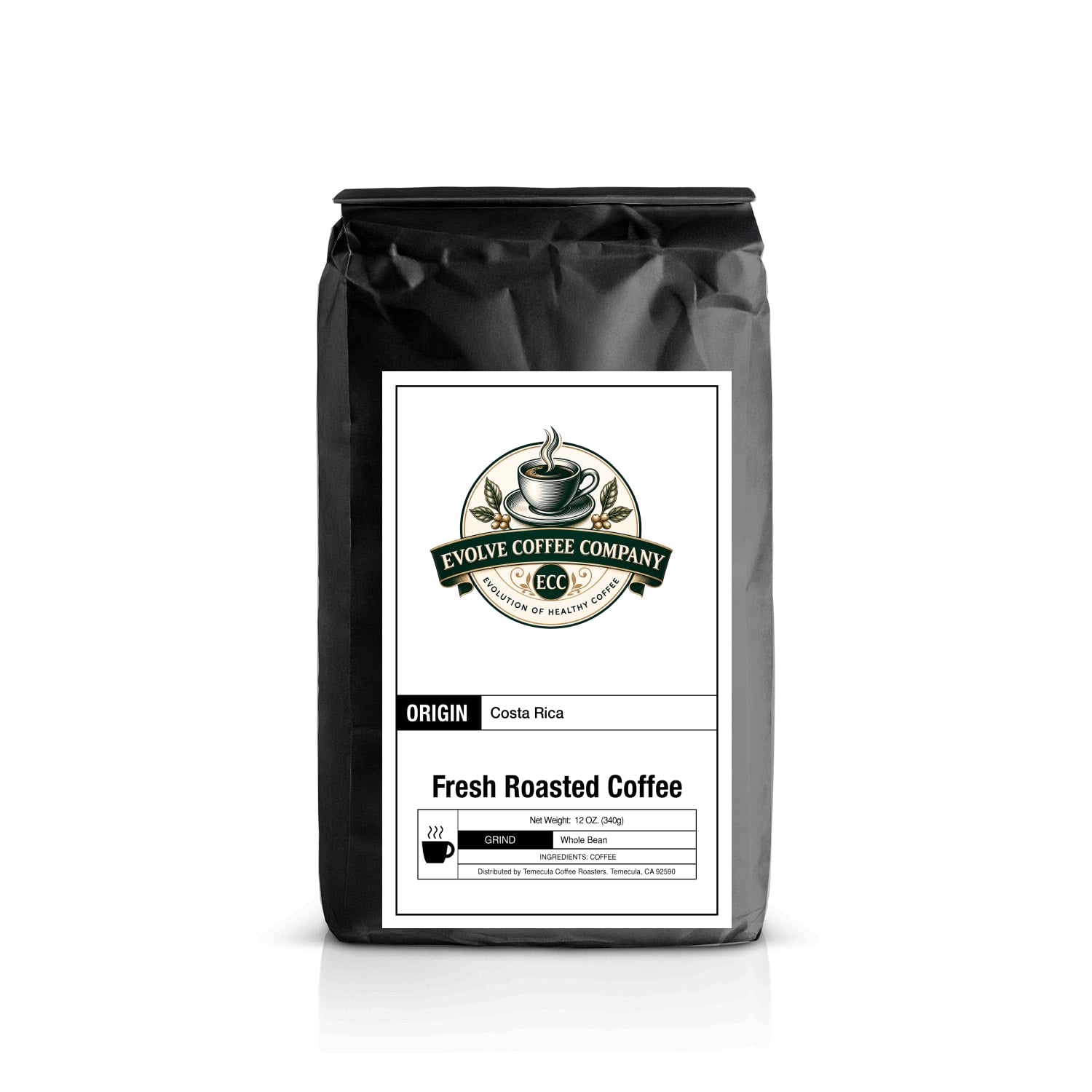
The tasting profile is sweet apple, raisin, and honey, and it is a medium roast. Best for: drip and pour-over drinkers who want a bright morning cup.
Best Guatemalan Coffee: Dark Chocolate and Bright Fruit
Our Guatemala single origin is a medium roast from smallholder farmers in Antigua Guatemala, grown between 1,200 and 1,616 meters and fully washed and sun-dried.
The tasting profile is dark chocolate, bright fruit, and butterscotch. Shop the Guatemala single origin for chocolate-forward depth with fruit brightness. Best for: anyone who wants chocolate-forward depth with fruit brightness.
Honduras and Nicaragua: Caramel, Cocoa, and Spice
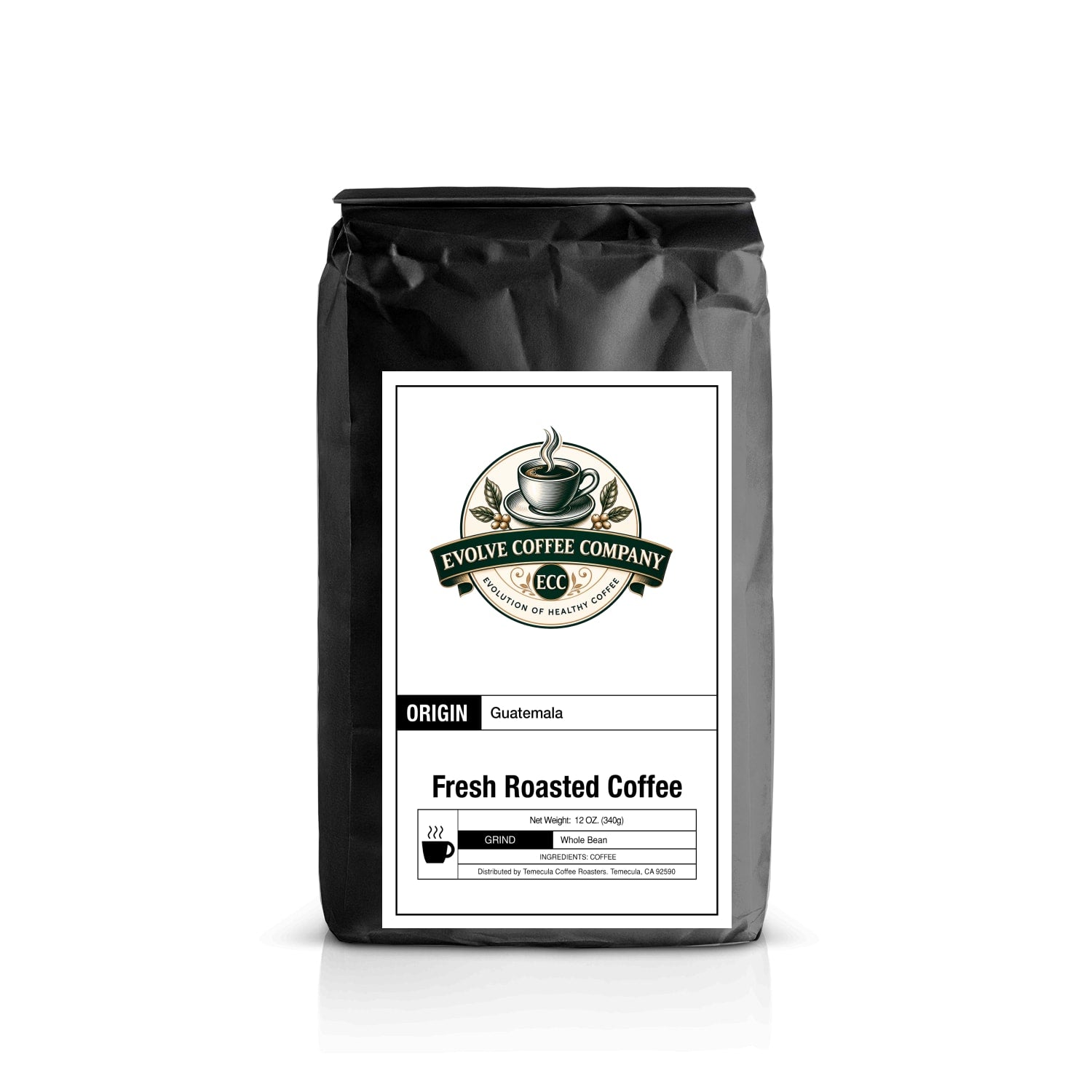
Our Honduras comes from 1500 grower/members from Cafe Organics Marcala, medium-dark roasted for caramel, spice, and brown sugar. The Honduras roast is the one to reach for when you want sweetness that stands up to milk.
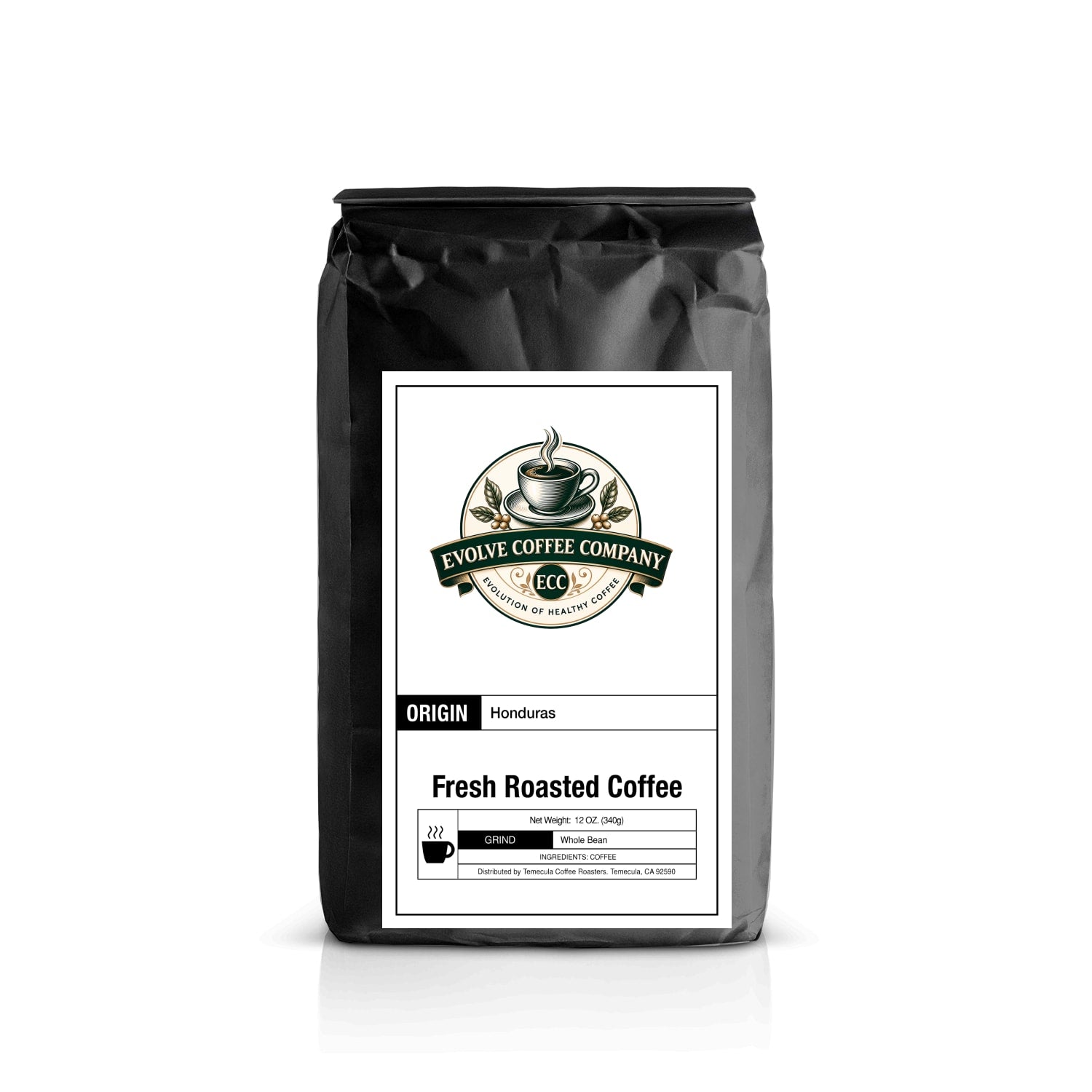
Nicaragua, by contrast, brings cocoa with floral and citrus tones from smallholder farms in Molino Norte, Matagalpa, fermented 12 to 14 hours and dried on patios and raised beds. Shop the Nicaragua single origin if you like a little lift in your cocoa. Both sit at $24.99 for a 12-ounce bag.
Single Origin Coffee vs Blends: What to Expect
Single origin coffee is coffee sourced from one country, region, or farm, so the cup reflects a specific place and harvest rather than a house recipe. Blends combine several origins to hit a consistent flavor target year-round. That definition is standard; the useful question is how the choice changes what you taste, what you pay, and how you brew.
A direct comparison using the origins in this guide:
-
Flavor specificity: A Costa Rica single origin from Alajuela has a tasting profile of sweet apple, raisin, and honey.
-
Price: Our single origins and blends are $24.99 per 12-ounce bag.
If you are still learning what you like, our guide to light roast vs medium roast single origin coffee explains how roast level interacts with origin character. For a dependable daily cup, our House Blend pairs Central and South American coffees for nutty, sweet-chocolate notes with a clean finish, while the Latin American Blend adds mild fruit and a cocoa aftertaste. Neither is better; they answer different questions. Single origin asks "what does this place taste like?" A blend asks "can I get the same good cup every morning?"
How to Choose Coffee Beans for Your Brew Method
How to choose coffee beans comes down to three variables: roast level, grind, and how your brewer extracts. Match all three and the cup tastes as intended.
- Drip brewer: medium roasts like Costa Rica and Nicaragua, medium grind
- Pour-over: medium roasts, medium-fine grind, slow pour
- French press: medium-dark roasts like Honduras, coarse grind, four-minute steep
- Espresso: medium-dark to dark roasts, fine grind, fresh beans
- Moka pot: medium roasts with body, fine-medium grind
Freshness matters as much as origin. Buy beans with a recent roast date, store them whole in an airtight container away from light, and grind just before brewing. Check the Specialty Coffee Association's brewing standards for water temperature and ratio guidance, and the USDA's coffee market reporting for how harvest conditions affect availability and price. If you want to verify sourcing claims, ask the roaster for farm or cooperative names; ours are printed on every bag.
Shop Evolve Coffee Company's Central American Roasts
Every coffee in this guide is roasted to order at Evolve Coffee Company, so the bag that arrives is fresh. Each 12-ounce bag is $24.99. Start with the Costa Rica for brightness, the Guatemala for chocolate depth, or the Honduras for a caramel-heavy cup.
The best coffee from Central America is the one matched to how you actually drink it. Evolve Coffee Company roasts single origins from Costa Rica, Guatemala, Honduras, and Nicaragua to order, ships them fast, and lets you buy a single bag with no commitment. Get started with Evolve Coffee Company and taste the difference freshness makes in your first cup.
Frequently Asked Questions
What does Central American coffee taste like?
Central American coffee is known for clean acidity, medium body, and balanced sweetness. Flavor notes vary by origin: Costa Rican coffees often show sweet apple, raisin, and honey; Guatemalan beans bring dark chocolate, bright fruit, and butterscotch; Honduran coffee offers caramel, spice, and brown sugar; Nicaraguan coffee has cocoa, floral, and citrus tones. These profiles come from high-grown beans, washed processing, and volcanic or clay-mineral soils across the region.
Which Central American country is known for the best coffee?
Guatemala and Costa Rica are often cited for distinctive, high-quality profiles. Guatemala's Antigua region produces beans with dark chocolate and bright fruit notes, while Costa Rica's Alajuela micro farms deliver sweet apple and honey flavors. Honduras and Nicaragua also produce excellent single-origin coffees with caramel, cocoa, and spice notes. The best choice depends on your taste preference for acidity, sweetness, and body.
Is Central American coffee good for pour-over?
Yes. Central American coffees, especially medium roasts from Guatemala and Costa Rica, work well for pour-over because their clean acidity and balanced body shine with filter brewing.
How do I choose Central American coffee beans?
Start with roast level: medium roasts preserve origin character, while medium-dark roasts add caramel and spice. Check the tasting profile for flavors you enjoy, like chocolate, fruit, or citrus. Look for single-origin beans to explore a specific country's character, or blends for consistency.
What is the difference between single origin coffee and a blend?
Single origin coffee comes from one country, region, or farm, so it highlights that place's specific flavor notes, like the sweet apple and honey of Costa Rica or the dark chocolate of Guatemala. Blends combine beans from multiple origins to create a consistent, balanced cup, often with nutty, chocolate, and citrus notes. Choose single origin to explore terroir, or a blend for everyday smoothness and reliability.
