

Fresh Roasted Coffee Beans Online: 2026 Buyer's Guide
Table of Contents
- Why Fresh Roasted Coffee Beans Online Taste Different
- How to Find the Best Coffee Beans to Buy Online
- Coffee Beans Roasted to Order: What It Means for Flavor
- Reading the Coffee Roast Date Before You Buy
- Coffee Beans for Espresso: Matching Roast to Brew Method
- Shipping, Storage, and Freshness After Delivery
- Value Comparison: What You Pay for Fresh Roasted Coffee
- What Sets Evolve Coffee Company Apart
- Frequently Asked Questions
Last Updated: October 22, 2026
Why Fresh Roasted Coffee Beans Online Taste Different
Fresh roasted coffee beans online solve a problem grocery store shelves can't: time. Coffee begins losing aroma and complexity within days of roasting, and most supermarket bags sit in warehouses and distribution centers for weeks before purchase. This guide from Evolve Coffee Company explains how to buy better beans, read roast dates, and match coffee to your brewing method.
The difference is real, and it's easy to taste. A bag roasted this week has a bright, layered flavor profile with clear tasting notes. A bag roasted months ago tastes flat and, in many cases, bitter. That gap comes down to oxidation: oxygen and moisture slowly degrade the oils that carry flavor.
Here is the core tension most buyers miss. Freshness isn't a marketing claim you can trust on a label. It's a date you can verify, a roast method you can question, and a shipping timeline you can check before you commit. Below, we'll show you how to judge all three, and which details actually predict a better cup.
How to Find the Best Coffee Beans to Buy Online
The best coffee beans to buy online are the ones with a printed roast date, a stated roast-to-order process, and shipping fast enough to get beans to you inside a week of roasting. Everything else, including origin names and packaging design, is secondary.
Start with these filters when you're shopping:
- Printed roast date, not just a best-by date. A best-by date tells you nothing about when the beans were roasted.
- Roast-to-order language. Roasting after you order means your bag is days old, not months.
- Shipping speed and cutoffs. Fast, reliable delivery matters more than a wide catalog.
- Bag size options. Smaller bags let you try a coffee without committing to a large quantity.
- Brew method guidance. A roaster that tells you which beans suit espresso versus pour-over is doing the work for you.
A common mistake is buying based on origin alone. A single origin from a famous region roasted eight months ago will lose to a humble blend roasted last Tuesday. Origin matters, but freshness decides the outcome.
Coffee Beans Roasted to Order: What It Means for Flavor
Coffee beans roasted to order are roasted after your purchase, not pulled from a warehouse shelf. That timing preserves the volatile compounds responsible for aroma, which are at their peak in the days right after roasting.
Small-batch roasting is the mechanism behind this. Roasting in smaller quantities gives the roaster tighter control over the roast curve, which shapes how much acidity, sweetness, and body end up in the final cup. Large industrial roasts prioritize volume and consistency across months of shelf life. Small batches prioritize peak flavor at the moment you receive the bag.
What most guides miss is that roast-to-order isn't automatically better. It only works if shipping is fast. Beans roasted to order and delivered in three days taste dramatically different from beans roasted to order and stuck in a mail hub for two weeks. Ask how orders ship and how quickly they leave the facility.
Reading the Coffee Roast Date Before You Buy
The coffee roast date is the single most useful piece of information on any bag, and it's the one most shoppers ignore. A roast date tells you exactly how old the beans are, which lets you judge freshness before you spend anything.
Here's how to use it:
- Find the date on the bag or product page. Look for "roasted on," not "best by."
- Calculate the gap. Beans within one to two weeks of roast are ideal for most brewing methods.
- Check the format. A printed date with a day and month is more trustworthy than a vague "fresh" claim.
- Ask before ordering. If the date isn't listed online, contact the roaster directly.
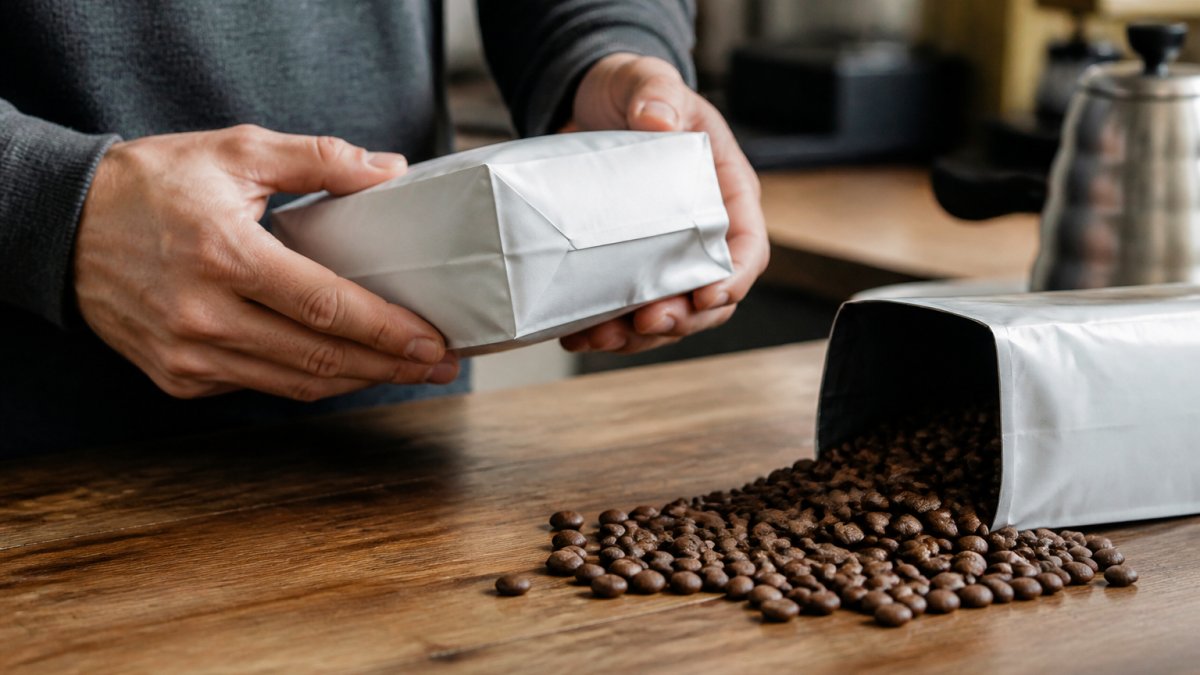
Beans do go through a resting period. Right after roasting, coffee releases carbon dioxide, which can make espresso pull unevenly. Many espresso drinkers prefer beans rested for several days to a week. Filter and pour-over brewers often enjoy beans a little fresher. The point isn't to chase the newest possible date. It's to know the date and brew accordingly.
Coffee Beans for Espresso: Matching Roast to Brew Method
Coffee beans for espresso work best when the roast level and rest time match the pressure and short extraction of the method. Espresso pushes water through finely ground coffee in about 25 to 30 seconds, so the bean needs enough structure to hold up without turning bitter.
A practical starting point by brew method:
| Brew Method | Best Roast Level | Rest Time After Roast | Why It Works |
|---|---|---|---|
| Espresso | Medium to dark | 5-10 days | Stable extraction, fuller body |
| Pour-over | Light to medium | 3-7 days | Preserves acidity and clarity |
| French press | Medium to dark | 5-10 days | Richer mouthfeel, less sediment |
| Cold brew | Medium to dark | 7-14 days | Smooth, low-bitterness concentrate |
| Drip machine | Medium | 3-7 days | Balanced and forgiving |
Light roasts keep more of the bean's origin character, with brighter acidity and clearer tasting notes. Dark roasts push toward chocolate and caramel, with a heavier body and less acidity. Medium roast sits between the two and is the safest starting point if you don't yet know your preference.
If you're new to specialty coffee, order a small bag of a medium roast and a small bag of a light roast from the same origin. Tasting them side by side teaches you more about your palate than any description can.
Shipping, Storage, and Freshness After Delivery
Freshness after delivery depends on three things: how fast the beans arrive, how they're packaged, and how you store them once the bag is open. Most guides stop at 'store in a cool dark place.' The useful version is a timeline you can plan around.
Transit time. Beans roasted to order and shipped within one to two business days typically arrive three to five days after roasting for standard domestic ground shipping. That puts most bags inside the ideal one-to-two-week window before you even open them. If a roaster ships only once a week, add up to seven days to that estimate.
Packaging. A valve-sealed bag with a one-way degassing valve protects beans in transit. The valve lets carbon dioxide escape without letting oxygen in, which matters most in the first few days after roasting when degassing is heaviest.
Storage after opening. Store beans in an airtight container away from light, heat, and moisture. Keep them out of the refrigerator, which introduces condensation each time the container moves between temperatures. A cool, dark cabinet works well.
The freshness window. Plan to finish an opened bag within a few weeks for the best flavor. A common pattern is that flavor peaks in the first week or two after roasting, holds reasonably well through week three or four, and declines noticeably after that.
Value Comparison: What You Pay for Fresh Roasted Coffee
Value in fresh roasted coffee comes down to cost per cup, not cost per bag. A bag of premium beans looks expensive next to a supermarket option until you divide by the number of cups it produces. A typical home brewer gets many more cups per pound than they expect, which usually brings the per-cup cost well below a coffee shop drink.
The math is straightforward once you set your dose. A standard drip scoop is about two tablespoons of ground coffee, roughly 10 grams. A 12-ounce bag holds about 340 grams, which yields roughly 34 cups at that dose. A 1-pound bag (16 ounces, about 454 grams) yields roughly 45 cups.
Here is how to compare fairly across sellers:
- Divide total price by cups per bag. Use your actual dose, not the roaster's suggested serving. A 12-ounce bag at 10 grams per cup gives about 34 cups; at 18 grams for espresso, about 18 double shots.
- Factor in shipping. Free-shipping thresholds change the real cost per bag. A $5 shipping charge on a $16 bag adds roughly 30% to the per-cup cost; the same charge on a $40 order adds about 12%.
- Compare like with like. A single origin typically costs more than a blend, and certified organic typically costs more than conventional. Compare the same origin, roast level, and bag size before judging price.
- Account for waste. Stale beans you throw out raise your true cost per cup. If you discard the last third of a large bag because it went flat, your effective price per cup rises by half.
- Weigh subscription savings against commitment. Many roasters discount recurring orders or waive shipping above a threshold. A subscription that saves 10% but ships more coffee than you drink is not a saving.
A worked example makes the comparison concrete. Suppose a 12-ounce bag costs $18 with $5 shipping, and you brew 10-gram drip cups. Total cost is $23 for about 34 cups, or roughly $0.68 per cup. A 2-pound bag at $32 with free shipping yields about 90 cups at $0.36 per cup, but only if you finish it within the freshness window.
The honest trade-off: fresh roasted coffee usually costs more per bag than mass-market coffee. Whether that's worth it depends on how much you notice the difference. If you drink coffee daily and care about flavor, the per-cup math often favors fresh beans over a daily coffee shop habit, and a subscription sized to your actual consumption usually beats both.
What Sets Evolve Coffee Company Apart
At Evolve Coffee Company, we roast every batch to order, so your bag leaves the roaster close to the date it was roasted. We source carefully selected beans and offer single-origin coffees, blends, and teas, with fast, reliable delivery to protect freshness in transit. If you're unsure where to start, our team can help you choose based on your brewing method and flavor preferences.
Frequently Asked Questions
How can I tell if coffee beans are freshly roasted?
Check the roast date printed on the bag, not a best-by date. Fresh roasted coffee is typically at its best between 5 and 21 days after roasting for most brew methods. Look for roasters that print the exact roast date, ship within 24 to 48 hours, and offer whole bean options. Bags with only a best-by date make it impossible to judge freshness, so treat that as a warning sign when buying coffee beans online.
Should I buy whole-bean or pre-ground coffee online?
Buy whole bean whenever possible. Ground coffee stales much faster because more surface area is exposed to oxygen. If you order pre-ground, choose the grind that matches your brewing method and plan to use it within a week or two. Whole bean coffee beans keep their flavor profile and aroma longer, and grinding right before brewing gives you a noticeably smoother cup.
How long do fresh-roasted coffee beans stay fresh?
Most fresh roasted coffee peaks between 5 and 21 days after the roast date. After about four to six weeks, flavor and aroma decline noticeably, though the coffee is still safe to drink. Store beans in an airtight container away from light, heat, and moisture. Avoid the refrigerator, which introduces condensation. Freezing in a sealed bag works for longer storage if you plan to keep beans for more than a month.
What roast level works best for espresso versus drip?
Espresso usually works well with medium to dark roasts because they produce a thicker body and balanced bitterness that stands up to pressure. Light roasts can work for espresso but often need finer grinding and careful dialing in. For drip, pour-over, and French press, medium roasts offer the widest range of flavor notes. Light roasts highlight origin character and acidity, while dark roasts deliver bold, smoky, and chocolatey tasting notes.
The hardest part of buying fresh roasted coffee beans online isn't finding options. It's verifying freshness before you commit. Evolve Coffee Company roasts to order, ships fast, and offers single-origin beans, blends, and teas so you can build a routine around coffee that actually tastes fresh. Explore the selection and find your next bag.