

Best Single Origin Coffee Beans 2026: Top Picks Ranked
Table of Contents
- How We Picked the Best Single Origin Coffee Beans for 2026
- 2026 Top Picks: Best Single Origin Coffee Beans by Origin
- Single-Origin Coffee vs. Blends: Which Should You Buy?
- Best Single-Origin Coffee Beans for Pour-Over
- Best Single-Origin Coffee Beans for Espresso
- How to Brew Single-Origin Coffee at Home
- Price per Cup, Freshness, and Value in 2026
- Frequently Asked Questions
Last Updated: October 18, 2026
How We Picked the Best Single Origin Coffee Beans for 2026
Single origin coffee is coffee traced to one growing region, one farm, or one cooperative, and that traceability is why it tastes the way it does. This guide from Evolve Coffee Company ranks the best single origin coffee beans in 2026 by origin, brewing fit, and freshness.
Our Tasting and Evaluation Method
The Specialty Coffee Association's cupping standards provide the industry framework most roasters use for scoring, and we lean on that vocabulary so our notes translate to what you'll actually taste.
What to Look For on the Label
Four details separate a serious bag from a marketing story:
- Roast date, not a best-by date. Coffee peaks days after roasting, not months.
- Country of origin plus region, such as Ethiopia Guji rather than just "Ethiopia."
- Processing method: washed, natural, or honey.
2026 Top Picks: Best Single Origin Coffee Beans by Origin
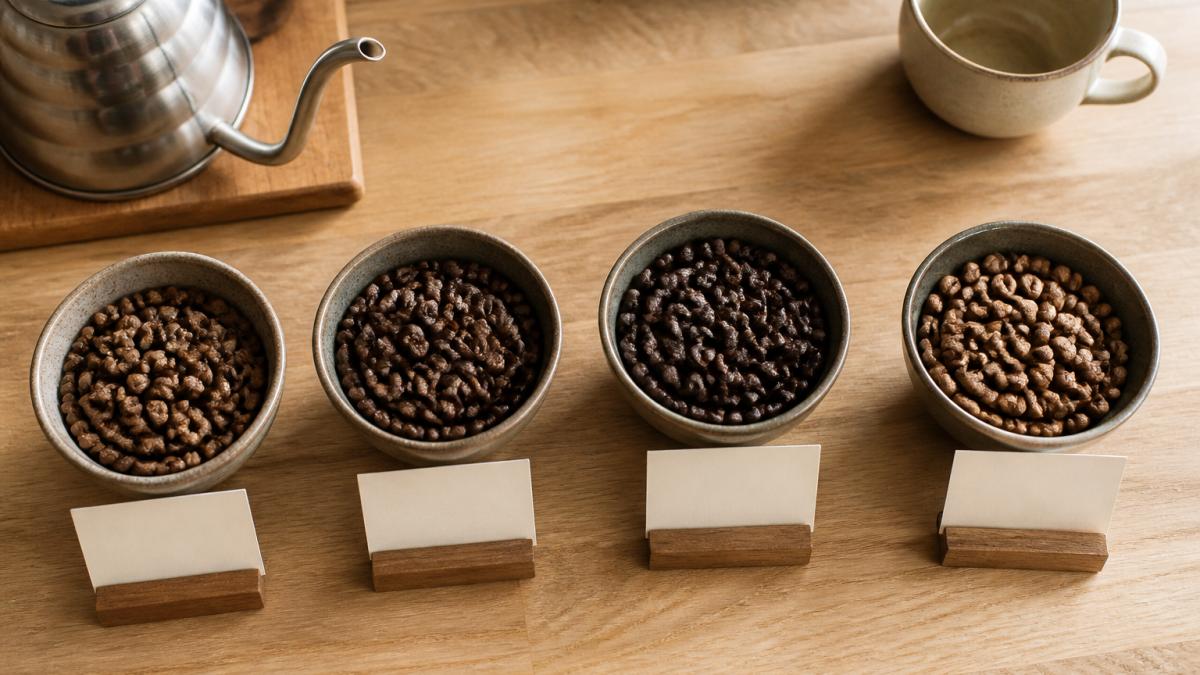
Origin tells you more about flavor than roast level does, but origin alone is not a pick.
For each pick we give the flavor profile, roast level, best brew method, and label details to confirm before checkout. Prices move with each harvest, so confirm the current figure at the roaster.
Ethiopia: Floral and Fruity
Washed Ethiopian lots lead with jasmine, bergamot, and stone fruit; natural lots push into blueberry and strawberry. The 2026 pick profile is a washed Ethiopian from a named region such as Guji, Yirgacheffe, or Sidama, light roast, with the washing station or cooperative printed on the bag. Heirloom designations are worth looking for, though "heirloom" is a broad category, not a single cultivar.
-
Flavor profile: jasmine, bergamot, peach or apricot in washed lots; blueberry and strawberry in natural lots.
-
Roast level: light. A medium-dark roast mutes the floral top notes you are paying for.
-
Best brew method: pour-over (V60 or Kalita), black, no milk.
-
Watch out: natural Ethiopians can taste fermented to some palates. Try a washed lot first.
Colombia: Balanced and Sweet
Colombia is the safest entry point into specialty coffee: caramel, red apple, and a rounded body that holds up in almost any brew method. The 2026 pick profile is a washed Colombian from a named department or farm, Huila, Nariño, or Cauca are common, at a light-to-medium roast, with the variety printed where available (Caturra, Castillo, and Pink Bourbon are frequent).
-
Flavor profile: caramel, red apple, mild citrus, rounded body.
-
Roast level: light to medium. Medium is the more forgiving choice for espresso.
-
Best brew method: drip, French press, espresso.
-
Watch out: the "Supremo" screen-size label says nothing about cup quality, only bean size. It is not a grade of flavor.
Kenya: Bright Acidity and Body
Kenyan Arabica, particularly SL28 and SL34, delivers blackcurrant, grapefruit, and a syrupy body that surprises people expecting "just coffee." Acidity here is a feature, not a flaw. The 2026 pick profile is a washed Kenyan from a named cooperative or factory, Nyeri and Kirinyaga are the classic counties, at a light roast, with the cultivar printed (SL28, SL34, or the newer Ruiru 11 and Batian).
-
Flavor profile: blackcurrant, grapefruit, tomato-leaf savoriness in some lots, syrupy body.
-
Roast level: light. Dark roasting a Kenyan lot destroys the exact character you paid for.
-
Best brew method: pour-over, iced coffee, cold brew.
-
Watch out: the savory, tomato-like note in some Kenyan lots divides drinkers. If you want fruit only, ask the roaster for a lot described as blackcurrant-forward rather than savory.
Brazil: Nutty and Low-Acid
Brazilian beans bring chocolate, peanut, and low acidity, the origin to reach for if bright coffee upsets your stomach or you drink your cup with milk. The 2026 pick profile is a single-farm Brazilian, Cerrado Mineiro, Sul de Minas, and Mogiana are the recognized regions, at a medium roast, with the farm name printed. Because "Brazil" on a bag often means a blend of many farms, a single-farm name signals a true single origin.
-
Flavor profile: milk chocolate, peanut, hazelnut, low acidity, heavy body.
-
Roast level: medium. Medium-dark is acceptable here because the origin's sweetness survives it.
-
Best brew method: espresso, milk drinks, moka pot.
-
Watch out: many "Brazil" bags are blends of multiple farms. Look for a single farm name.
| Origin | Flavor Profile | Roast Level | Best Brew Method | Acidity | Typical 2026 Price (12 oz) |
|---|---|---|---|---|---|
| Ethiopia | Floral, fruity, tea-like | Light | Pour-over | High | $18-$26 |
| Colombia | Caramel, red apple, balanced | Light to medium | Drip, espresso | Medium | $16-$22 |
| Kenya | Blackcurrant, grapefruit, full body | Light | Pour-over, cold brew | High | $20-$28 |
| Brazil | Chocolate, nutty, smooth | Medium | Espresso, milk drinks | Low | $14-$20 |
Harvest and Freshness Context by Pick
Single-origin supply is seasonal. Ethiopian and Kenyan coffees are harvested in late fall and early winter and reach roasters in the first half of the year; Colombian lots come in two main cycles, and Brazilian lots are harvested mid-year. So in 2026, fresh-crop Ethiopian or Kenyan lots are more likely in the first half of the year, while Brazilian and Colombian fresh crop lands later.
Single-Origin Coffee vs. Blends: Which Should You Buy?
Single-origin coffee highlights one region's character; blends combine origins for consistency and balance. Neither is "better," but they solve different problems.
Buy single origin when you want to taste a place and a harvest; buy a blend when you want the same cup every morning regardless of crop year.
Our take: keep one single origin for weekends and one blend for weekday autopilot.
Best Single-Origin Coffee Beans for Pour-Over
For pour-over, choose a light to medium roast from Ethiopia, Kenya, or Colombia and grind medium-fine just before brewing. Pour-over rewards clarity, so avoid dark roasts and stale beans.
A simple starting recipe: 22g coffee, 360g water at 200°F, a 45-second bloom, then three gentle pours. Total brew time around 3 minutes.
Best Single-Origin Coffee Beans for Espresso
Espresso favors Brazilian and Colombian single origins at a medium roast, because they produce sweetness and body without overwhelming acidity. Grind fine, dose consistently, and expect to dial in each new bag.
Single-origin espresso is less forgiving than a blend. The same bean can taste syrupy at one grind setting and harsh at the next, so change one variable at a time.
How to Brew Single-Origin Coffee at Home
Brewing single-origin coffee at home comes down to four controls: ratio, grind, water temperature, and freshness. Nail those and the origin does the rest.
- Ratio: start at 1:16 coffee to water by weight.
- Grind: medium for drip, medium-fine for pour-over, fine for espresso.
- Water: 195-205°F, filtered.
Store beans in an airtight container away from light and heat. Skip the freezer unless you're storing a sealed bag for months.
Price per Cup, Freshness, and Value in 2026
Value in specialty coffee is best measured per cup, not per bag. A 12-ounce bag is about 340 grams; at a 22-gram dose, that is roughly 15 cups.
| Bag Price (12 oz) | Cost per Cup (22 g dose, ~15 cups) |
|---|---|
| $14 | ~$0.93 |
| $18 | ~$1.20 |
| $22 | ~$1.47 |
| $26 | ~$1.73 |
| $28 | ~$1.87 |
That table is the whole value argument. The gap between the cheapest Brazilian single-farm lot and the priciest Kenyan washed lot is roughly $0.90 per cup, less than a drip coffee at most cafes, and far less than the $4-$6 for a comparable pour-over.
What Actually Drives the Price
Four factors explain most of the spread between a $14 and a $28 bag:
- Origin and labor cost. Kenyan and Ethiopian coffees are typically smallholder-grown and hand-sorted, which raises the green coffee cost before roasting. Brazilian coffee is grown on larger, more mechanized farms and is generally the cheapest of the four origins.
- Processing method. Washed coffees require more water and handling than natural coffees; anaerobic and other experimental processes add cost and risk.
- Variety and lot size. Single-variety lots such as Pink Bourbon or a named SL28 selection are smaller and priced higher than blended regional lots.
Freshness Is the Bigger Lever
Freshness matters more than the per-bag price difference. Beans roasted to order and shipped promptly taste better than warehouse stock, and no origin pedigree rescues a stale roast. A practical freshness window:
- Days 1-3 after roast: the coffee is degassing heavily. Espresso in particular can be gassy and inconsistent; pour-over is more forgiving.
- Days 4-14: the sweet spot for most single origins. Aroma is at its peak and the cup is balanced.
- Days 15-30: still good, but the floral top notes on a light Ethiopian or Kenyan lot begin to fade first.
Buy in quantities you will finish within about a month, and check the roast date rather than a best-by date. If a bag has no roast date, buy elsewhere.
Shipping and Bag Size Change the Math
Two practical adjustments to the per-cup figure above:
- Shipping. Flat-rate shipping of $5-$8 on a single 12-ounce bag can add $0.33-$0.53 per cup. Buying two or three bags at once, or crossing the roaster's free-shipping threshold (commonly $30-$50), usually eliminates that penalty.
- Bag size. A 2-pound bag lowers the per-ounce price meaningfully versus a 12-ounce bag, but only if you can finish it within the freshness window. For a single daily drinker, 12 ounces is often the better value because less coffee goes stale.
How to Judge Value Before You Buy
A short checklist separates a fair price from a marketing premium:
- Named producer or region plus processing method printed on the bag. If those are missing, you are paying specialty prices for commodity-level information.
- Roast date within the last two weeks at time of shipping. Confirm the roaster ships after roasting, not from stock.
- A price that fits the origin's typical range. A washed Ethiopian at $18 is a fair buy; the same lot at $40 needs a named producer and a competition pedigree to justify it.
At Evolve Coffee Company, every batch is roasted to order and shipped fast, the single easiest way to improve your cup without changing your technique. Check our shop for current per-bag pricing and shipping thresholds; the ranges above are a benchmark, not a quote.
Frequently Asked Questions
What does single-origin coffee mean?
Single-origin coffee comes from one specific place: a single country, region, farm, or cooperative. Because it is not blended with beans from other areas, it shows the distinct flavor profile of its origin, such as the floral and fruity notes of Ethiopia or the balanced sweetness of Colombia. Look for the country of origin, farm name, and harvest year on the bag. Evolve Coffee Company roasts single-origin beans to order so those origin flavors stay intact.
Are single-origin coffee beans better than blends?
Neither is better; they serve different purposes. Single-origin coffee highlights one region's character and is ideal if you want to explore flavor differences between origins. Blends combine beans to create a consistent, balanced cup that works well for espresso or everyday drinking. If you are new to specialty coffee, try a few single-origin coffees to learn what you like, then use blends for consistency. Many drinkers keep both on hand.
How fresh should coffee beans be when I buy them?
Buy beans within two to four weeks of the roast date for the best flavor and aroma. Whole bean coffee stays fresher longer than ground coffee, so grind just before brewing. Store beans in an airtight container away from light, heat, and moisture, and avoid the refrigerator. Evolve Coffee Company roasts every batch to order, so you receive beans close to their roast date with a clear freshness window.
What roast level is best for single-origin coffee?
Light and medium roasts usually show origin character best, keeping floral, fruity, and bright acidity notes intact. Dark roasts mute those flavors and add smokiness, which can work for espresso but hides the origin. For pour-over, choose a light or medium roast. For espresso, a medium roast balances sweetness and body. Try the same origin at two roast levels to taste the difference for yourself.
The real challenge with single origin coffee isn't finding it, it's finding a bag fresh enough to show you what the origin actually tastes like. Evolve Coffee Company roasts every batch to order, sources beans carefully by region, and ships fast so your first cup tastes like the fifteenth. Browse our single-origin selection and start with a small bag to find your origin before committing to a larger one.